Beware of Social Engineering
- By Kim Montenegro
- In Healthcare Business Monthly
- August 1, 2023
- Comments Off on Beware of Social Engineering

Take steps to protect yourself and your network from scammers on social media.
Several weeks ago, I received a connection request on LinkedIn from a handsome man with an impressive profile. He was not directly involved in the healthcare industry, but I had noticed that he was already networked with a few of my reputable contacts, so I was not highly suspicious. Wanting to know more, I queried him on what had sparked his interest in connecting with me. He answered, “Although we are all in different fields, I think we can learn from each other’s strong points to improve each other’s ability and knowledge.” I thought that seemed like a good answer, so I accepted his connection request.
Investigate Red Flags
One item that jumped out at me from his profile was that he had done his university studies in Italy. I know the language, so I messaged him in Italian. He responded in English. Most individuals who speak other languages are thrilled to use that language any chance they get, so this struck me as odd. He continued to ask me questions in English, and I continued to respond in Italian. He then asked for my WhatsApp info (a messaging app), which of course sent up all sorts of red flags. I responded that I only use WhatsApp for international business and that I would video chat live with him if he agreed to speak Italian. After that, he stopped messaging me.
My curiosity got the best of me, so I decided to do a reverse image search of the man’s picture on Google. Sure enough, the picture belonged to several other profiles in various professions. It was then I knew my new connection was a scammer. I had let down my guard initially because I saw that this person was already networked with some very reputable people. That’s what social engineering is: an outsider trying to appear as part of a group to gain access to somewhere they don’t belong. Whether you work in an office with an entire team of IT professionals helping to keep your computer safe or you work from home, it’s important to never let your guard down. We all have a duty to each other to keep bad actors out of our networks.
Take Steps to Protect Others
What should you do if a scammer reaches out to you? The following is what I plan to do now that this person is “out”:
1. Contact my network connections who have networked with the bad actor and alert them about my finding.
2. Report the profile to LinkedIn.
3. Going forward, do a reverse image check of any suspicious connection requests.
A reverse image check is a great way of investigating where images, including those used on social media, have been shared. Be aware, however, that not all images will come up in a search, so trust your instincts. I reverse image checked myself with my profile picture on LinkedIn and nothing came up.
To perform a reverse image search using Google, simply right-click or control-click on the image and choose Search image with Google.
Other browsers may offer a similar feature. Alternatively, to search Google images:
1. Right-click or control-click on the profile image on LinkedIn.
2. In the resulting pop-up menu, choose to either save the picture to your desktop or copy the image address.
3. Go to images.google.com.
4. Click the camera icon next to the microphone icon to the right of the search box.
5. Upload or drag and drop the image from the desktop into the resulting field or paste the image link and then click Search.

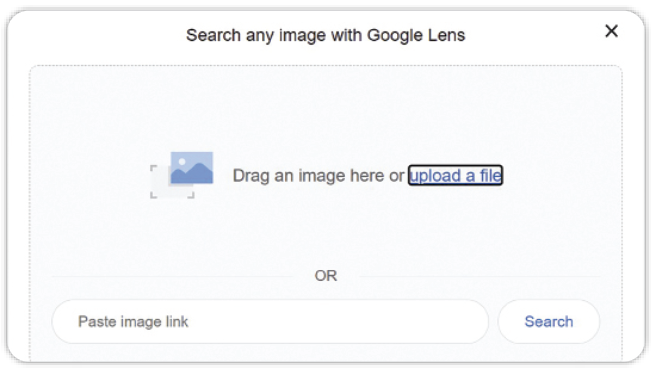
I found that this person has over 20 LinkedIn profiles using the same picture with jobs that range from treasurer to operations manager to physician assistant and others.
Proceed With Caution
Cyberspace can be full of hidden dangers, so please stay safe out there. Networking can lead you to connect with lots of amazing people, but we should never take anyone at face value.

- Beware of Social Engineering - August 1, 2023


