Building an Effective Compliance Program
- By Katie Roemer
- In Compliance
- November 1, 2023
- Comments Off on Building an Effective Compliance Program
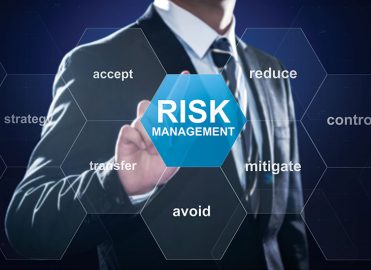
Take steps to protect your organization from internal and external risks.
Building an effective compliance program in today’s rapidly evolving healthcare industry requires a strong emphasis on adhering to legal and ethical standards while prioritizing patient-centric care. Organizations must consider several critical steps in developing their healthcare compliance program to achieve this goal.
Conduct a Risk Assessment
Conducting a comprehensive compliance risk assessment tailored to the organization’s specific needs is paramount. This involves identifying potential risk areas, such as privacy breaches, billing irregularities, or non-compliance with regulatory guidelines. Engaging relevant stakeholders, including legal advisors, compliance officers, and department heads, helps to understand potential risks and their impact on the organization.
Including representation from staff from all corners of the organization as well as executive leadership provides transparency, effective collaboration, and the ability to communicate changes or feedback within the committee. A diverse representation helps break down silos between departments and promotes cross-functional teamwork.
One way to conduct an assessment is through enterprise risk management (ERM). ERM provides a broader perspective in identifying, evaluating, and addressing risks that could impact the organization’s objectives. Unlike traditional risk management, which often focuses on specific tasks such as patient safety, ERM considers the entirety of the organization, revealing risks that may affect various aspects of its operations.
There is no one-size-fits-all approach to ERM assessments. The ERM approach should be tailored to the organization’s specific context, whether it’s a hospital, health system, physician clinic, or outpatient department. The key lies in understanding the organization’s operational intricacies and determining which areas the compliance program should encompass. ERM helps identify and mitigate risks such as medical errors, medication mistakes, surgical errors, and falls in healthcare settings. It nurtures a safety culture where staff can report errors and near-misses without fear of retribution, leading to early identification and mitigation of risks. ERM also supports the development of policies, training, and audits to ensure compliance.
ERM empowers healthcare organizations to provide safe, high-quality care, enhancing their reputation and building trust with patients and their families.
Establish Policies
Establishing well-defined compliance policies and procedures ensures a strong foundation for a robust compliance program. These documents communicate the organization’s dedication to compliance and provide clear employee guidelines. Compliance policies should cover all relevant laws, regulations, and industry standards, ensuring employees understand their roles and obligations.
Policy on Policies
The compliance department should oversee standard policies and procedures, focusing on a “policy on policies” that prevents gaps in the policy creation process. This ensures that guidelines are developed with end-users in mind, addressing specific details like formatting, headers, and alignment consistency with existing approaches.
This “policy on policies” should include the policy’s purpose, the specific actions it governs, ownership details, compliance expectations, and any related policies. It guides those involved in creating, updating, or reviewing policies and includes processes to prevent duplication, archive policies, and add relevant notes within the policy management system.
Compliance policies should cover various areas and equip employees with the knowledge to make informed decisions aligned with compliance guidelines. For example, a fraud, waste, and abuse policy should clarify the reporting of compliance violations, define whistleblowers, and educate employees on topics such as the Anti-kickback Statute and the Stark law.
A policy on documentation retention is essential to outline legal requirements for retaining specific documents within the organization.
Similarly, a policy on conflict of interest should define how the organization identifies, collects, and manages conflicts. Collaboratively developed codes of conduct and ethics policies between compliance and human resources departments establish ethical standards for healthcare professionals and staff. These policies cover honesty, integrity, patient-centered care, and appropriate interactions. Codes of conduct guide reporting violations, patient safety concerns, and fraud, waste, and abuse.
A billing and coding compliance policy ensures accurate billing, coding, and documentation practices to prevent errors, fraud, and abuse.
An anti-fraud and abuse compliance policy focuses on preventing and detecting fraudulent activities within the organization, including education on reporting suspected cases.
All policies should be written in plain language to be accessible to individuals at all organizational levels. They should explain the policy’s context, relevance to business units, purpose, definitions, responsible parties, updated schedules, and consequences of non-compliance. An effective compliance program also encompasses policies related to non-retaliation, investigation processes, data collection, monitoring, and the role and expectations of a compliance officer.
By implementing policies and procedures across the organization, consistency, fairness, and adherence to standards are maintained, regardless of the department or function. These policies promote accountability, align behaviors with expected actions, and create an equitable environment that upholds best practices.
Appoint a Compliance Officer
A critical step in building a compliance program is appointing a compliance officer. A compliance officer is entrusted with safeguarding federal funds that cover healthcare expenses and services, including cost center reporting, insurance payments, and diverse payment methodologies. This responsibility extends to all payers, underlining the significance of federal fraud, waste, and abuse regulations for all financial stakeholders.
The officer must be skilled at finding common ground, communicating effectively, and approaching each situation impartially. Consistency is crucial, meaning that while negative actions or questionable practices may be documented or endorsed by leaders, the compliance officer should not inherently view these interactions negatively. Instead, objectivity and continuous investigation are critical. A proficient compliance officer identifies patterns, understands underlying messages, and treats all individuals fairly. This role requires someone who seeks continuous learning to keep up with constant changes in laws and regulations and engages in self-reflection.
Establish a Compliance Committee
Establishing a compliance committee comprising representatives from various departments supports the compliance officer’s work in developing, implementing, and monitoring the program. The committee typically consists of influential business leaders who support the compliance program’s initiatives. These individuals have the power to drive change within the organization. Generally, they hold leadership positions across various health system departments, including hospitals and physician offices. Having a representative from each department ensures comprehensive coverage.
The compliance committee serves multiple purposes. It provides a platform for updates from the compliance officer. Additionally, it allows leaders, executives, administrators, and physicians to voice compliance-related concerns and receive insights from a panel of experts. For instance, including the head of the revenue cycle department on the compliance committee, along with representatives from revenue cycle sub-departments like patient access, billing, coding, claims, and collections, can provide valuable insights into revenue cycle matters.
A robust compliance committee fosters collaboration to address current compliance matters, identify trends, and develop strategies to prevent future issues. It is not the appropriate forum for addressing grievances, personnel matters, or behavioral concerns; these issues should be resolved before the committee convenes.
Regularly reassessing the compliance committee is vital to ensure that the right participants are engaged and that the committee adequately represents the compliance department’s concerns. The compliance officer should investigate when members have been inactive over the past year and ensure the committee includes relevant stakeholders who can transparently resolve concerns arising from audits, monitoring activities, or internal investigations.
Train and Educate Employees
Developing training and education programs is a fundamental aspect of an effective compliance program. Some industries and jurisdictions require specific compliance training, such as anti-harassment and data privacy training. These programs offer a wide range of benefits and ensure that employees at all levels understand the laws, regulations, and industry standards that govern their actions. This awareness is crucial in preventing inadvertent violations and fostering a culture rooted in compliance.
Standardized education and training protocols ensure consistent dissemination of information to all employees about compliance expectations. This consistency prevents disparities and confusion in understanding and applying compliance regulations and ensures employees are more attuned to ethical behavior.
Organizations that highlight their commitment to compliance through education and training build trust with employees, clients, patients, partners, and regulatory entities.
Establish Internal Controls
Internal controls and auditing mechanisms are crucial for establishing an effective healthcare compliance program. They play a significant role in risk mitigation, as they help identify and address potential compliance breaches or vulnerabilities. Through systematic assessments of processes and operations, internal controls and auditing mechanisms can rapidly detect and rectify compliance breaches, reducing the likelihood of costly errors.
Moreover, robust internal controls and auditing processes promote organizational transparency and accountability. Well-defined guidelines, thoroughly documented procedures, and regular audits ensure that employees understand their responsibilities and are held accountable for their actions. Internal controls and audits also improve operational processes by identifying inefficiencies and bottlenecks. Organizations can leverage these insights to streamline operations, enhance workflow efficiency, and minimize the risk of noncompliance due to poorly designed procedures.
Documenting internal controls and audit reports is essential in compliance investigations or legal disputes. This evidence demonstrates an organization’s commitment to exercising due diligence and can play a pivotal role in defending against allegations of negligence or non-compliance. Implementing internal controls and conducting audits also indicate a culture of compliance within the organization. When employees witness active monitoring and proactive resolution of potential issues, they are more inclined to take compliance matters seriously.
Internal controls provide management with a comprehensive view of the organization’s compliance performance, enabling informed decision-making, efficient resource allocation, and strategic planning to address compliance gaps. External audits conducted by regulatory bodies or external partners are smoother when an organization has a well-established internal control framework and a history of conducting regular internal audits. The standardization and consistency established by internal controls ensure that compliance efforts are uniform across departments and locations, maintaining compliance standards throughout the organization.
Encourage Reporting
Encouraging reporting and establishing whistleblower protection mechanisms are crucial aspects of an effective healthcare compliance program. Creating an environment where employees can report potential compliance violations without fear of retaliation is essential. Establishing clear channels for reporting concerns, such as a confidential hotline or designated compliance email, and implementing whistleblower protection policies that ensure anonymity and safeguard employees who report in good faith are vital. Additionally, promptly investigating reported concerns and taking appropriate actions when violations are confirmed are critical steps in building trust and maintaining compliance.
The Total Package
Overall, these steps — conducting a comprehensive compliance risk assessment, establishing clear policies and procedures, appointing a capable compliance officer and committee, developing robust training and education programs, implementing internal controls and auditing mechanisms, and encouraging reporting while providing whistleblower protection — combine to create a solid foundation for an effective healthcare compliance program. This program promotes adherence to legal and ethical standards, ensures patient-centered care, and mitigates risks in the dynamic healthcare landscape.

- Beyond HIPAA - December 1, 2025
- Embrace Neurodiversity - June 2, 2025
- Leadership vs. Management - October 1, 2024


