
Get All the Info Possible Before Beginning Burn Dx Coding
Make note of the difference between thermal burns and corrosions. Picture this: An adolescent reports to the emergency department (ED) with multiple burns across their upper torso, including the arms. You know you will need multiple codes to show the full scope of the injuries, but you wonder where to begin. Since these burns involve multiple anatomic regions and vary in severity, you will need to tell this patient’s story as accurately as possible. This is the dilemma when it comes to coding burns, because not only must you know the degree of the burn(s), but you must also know the type of burn (thermal vs. corrosion), and you must know how to prioritize the degree of burn (first, second, or third). Then, you must identify all of the body regions covered by the burn, and you may need a separate code to indicate the percentage of body surface area affected. This article will discuss the distinction between thermal burns and corrosive burns, the varying degrees of burns and how to prioritize them, and the correct use of the 7th character in the ICD-10-CM code. Finally, we will bring everything together for an example depicting the most accurate picture of a burn patient’s condition. Recognize All Burns Are Not Created Equal ICD-10-CM Official Guidelines for Coding and Reporting make a distinction between burns and corrosions (or corrosive burns). The burn codes from Chapter 19: Injury, Poisoning, and Certain Other Consequences of External Causes (S00-T88) are for thermal burns, with the exception of sunburns. Thermal burns are caused by heat sources such as fire, hot appliances, electricity, and radiation. Corrosions are burns due to chemicals like acids and alkalis. Though thermal burns and corrosions are different, the Chapter 19 guidelines for coding are the same for both. This distinction matters because you do not want to use thermal burn codes for corrosion, nor corrosion codes for thermal burns. You have to review the medical documentation carefully to determine the type of burn the patient experienced. A provider may simply document a burn, but the etiology of the burn must be confirmed. Furthermore, coding begins with the mechanism of injury. For example, if the record states the patient was burned by flame while using a stove, steam from a radiator, or touching heated metal, this would suggest thermal burn coding. If the patient was burned from making skin contact with acid or other chemicals, then this suggests corrosion coding. Whatever the case, the record must support the mechanism of injury to assign a code. Identify Burn Degree Burns are ranked from least to most severe by degree. First-degree burns are superficial damage to the outer layer of the skin, known as the epidermis. These will appear as redness (erythema) of the skin and are the least severe of burns. Second-degree burns (partial-thickness burns) are more severe than first-degree burns. This degree involves blistering and damage to the deeper layer of skin called the dermis. Third-degree (full-thickness) burns are the most severe of the three. These burns involve the destruction of both the epidermis and the dermis. At this stage, the patient experiences loss of tissue, hair follicles, sweat glands, and nerve endings. With a third-degree burn, the patient may no longer experience pain due to nerve loss. ICD-10-CM guidelines instruct the coder to sequence the highest degree of burn when multiple burns are present on the same side of the same anatomic site. For instance, if the provider notes that a patient has second- and third-degree burns on the upper back, you will only list the code for the third-degree burn for reporting purposes. If different sites have different degrees of burns, separate codes for the varying degrees are needed. The degree and location of the burn drive the code selection. It is therefore vital that you carefully review the documentation to gather all the necessary elements for code selection. Go to 7th Character With Burn Codes When reviewing burn claims for diagnosis coding purposes, look to T20.- (Burn and corrosion of head, face, and neck) through T25.- (Burn and corrosion of ankle and foot) first. Use these codes to report both burns and corrosions by anatomic site. These codes are very specific and help to identify where the injury occurred and how severe it is by degree. You should always confirm the anatomic site of the burn for correct code selection. Documentation must clearly state the location and the depth of the burn, as you cannot assume these things. If different sites have different depths, then you should report separate codes when documentation supports it. For proper reporting, these codes must be seven characters long. Each character in the code contributes to the specificity of the burn. For example, check out how code T20.112A (Burn of first degree of left ear [any part, except ear drum], initial encounter) breaks down: Since each character within the code plays a specific role in identification, you will need to carefully review it to ensure the complete picture. Additionally, since burns and corrosions are included in the T20-T25 range, you will want to make sure you have selected the correct burn type based on the documentation. The T20.112A example above is for a thermal burn, not a corrosion. Check if Additional Codes Are Needed The coding of burns does not stop with the burn code itself. There are times when the ED physician documents the total body surface area (TBSA) involved with the burn. When this is the case, you will want to use an additional TBSA code from T31.- (Burns classified according to extent of body surface involved) or T32.- (Corrosions classified according to extent of body surface involved) to show the percentage of the body surface area affected. These codes supplement, but do not replace, the burn codes. Use these codes when the extent of the burn is documented; this can be especially helpful when a patient suffers from third-degree burns. Since all burns are caused by something, you should include an external cause code from ICD-10-CM Chapter 20: External Causes of Morbidity (V00-Y99) if it is documented. These codes describe how the burn/corrosion occurred, the environment the patient was in when the burn occurred, or the activity the patient was involved in when the burn occurred. These codes support the injury sustained and assist in complete reporting. Check out this example of complete ICD-10-CM coding for a patient: This series of codes tells us the patient experienced a first-degree burn to their left ear from a campfire in a farm field, and that this is the initial encounter for the injury. Though there are diagnosis codes available for burns where the provider does not specify the location, you will want to make sure to exhaust all other possibilities first. It may even be necessary to query the provider to gain more specific information, as you do not want to default to unspecified codes. You will want to make sure the documentation has all the necessary elements to select the best burn code, as this will become part of the patient’s permanent medical record. Note These Documentation Necessities and Mistakes to Avoid Coders will need to have certain details to assign burn codes correctly. The patient’s chart should identify the anatomic site of the burn and have some sort of indicator as to whether the injury is a burn or corrosion. Next, the documentation should note the laterality when applicable — right versus left. The extent of the body surface area affected should be noted, as well as the depth of the burn, the degree, and any cause or intent of the injury (if available). If the documentation is vague, you should never assume or guess what’s involved. A note that simply says “burn” without providing further detail is insufficient for code selection. In instances of insufficient documentation, you will need to clarify the missing elements through querying the documenting provider. Alvin R. Cureton, Jr., CPC, COC, CPMA,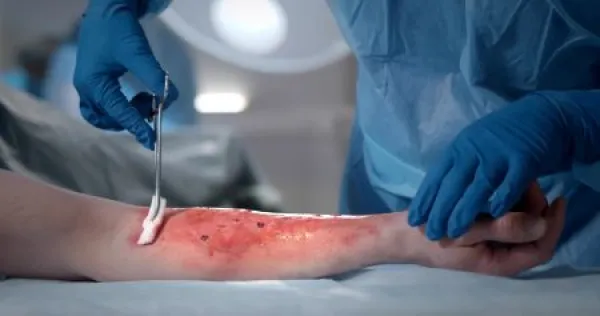
AAPC-Approved Instructor, Contributing Writer
