Back up Paracentesis and Percutaneous Liver Biopsy Codes With Accurate Documentation
Find out how to tell if imaging is guidance or incidental. Gastroenterology coding as it relates to paracentesis and percutaneous liver biopsies requires careful review of documentation to ensure services are accurately reported and follow CPT® guidelines. Paracentesis and percutaneous liver biopsy are procedures that may involve ultrasound guidance, so it is essential to be able to distinguish between imaging included in the CPT® code and guidance that you may report separately. As always, proper documentation is crucial. Incomplete documentation and/or billing for services already included in another CPT® code (known as unbundling) are common in this specialty and lead to a multitude of errors and claim denials. Keep reading to learn how you can make sure your coding and the documentation for these procedures remain compliant. Dive Into Diagnostic and Therapeutic Paracentesis Procedures Paracentesis is a medical procedure that removes fluid buildup (ascites) inside the abdomen with a needle or catheter. It can be performed for either diagnostic or therapeutic purposes, and sometimes both. Paracentesis for diagnostic purposes is performed to determine the cause of abdominal fluid accumulation (ascites) and to screen for infections. Therapeutic paracentesis serves a different purpose in that the fluid is removed to relieve severe pain and alleviate breathing difficulties. Diagnostic paracentesis also includes removing a small amount of fluid, whereas therapeutic paracentesis fluid removal amounts are often large in volume. Coding for paracentesis has its own nuances. The most important factor when coding paracentesis, either diagnostic or therapeutic, is whether the provider used imaging guidance during the procedure. Use 49082 (Abdominal paracentesis (diagnostic or therapeutic); without imaging guidance) for abdominal paracentesis that does not include imaging guidance. Meanwhile, use 49083 (… with imaging guidance) to report diagnostic or therapeutic abdominal paracentesis with imaging guidance. Important: It is incorrect to separately bill 76942 (Ultrasonic guidance for needle placement (eg, biopsy, aspiration, injection, localization device), imaging supervision and interpretation) with 49083 as the guidance is already included in 49083. Doing so would most likely trigger a National Correct Coding Initiative (NCCI) bundling error. Pinpoint How to Code Percutaneous Liver Biopsies A percutaneous liver biopsy is a medical procedure that involves inserting a thin needle through the skin of the upper abdomen and into the liver to collect a tissue sample. This tissue sample is then evaluated for suspected malignancy, chronic liver disease, or other conditions requiring further examination. Code 47000 (Biopsy of liver, needle; percutaneous) describes a percutaneous needle biopsy of the liver. Since 47000 does not include imaging guidance, you’ll assign 76942 to report the ultrasound guidance. Reporting the biopsy and ultrasound guidance requires documentation showing that the provider actively used ultrasound to guide needle placement. Assigning 76942 for the purpose of only identifying the liver or surrounding anatomic sites would be inappropriate. Understand Ultrasound Guidance Documentation Expectations One of the most common coding mistakes is assuming that any mention of ultrasound supports separate reporting of an imaging guidance service. Ultrasound can be used to look at the abdomen before a procedure or guide the needle while the physician is performing the procedure. In the coding world, these uses do not warrant using the same code. When a separately, reportable ultrasound guidance service is permitted, the documentation should note that the provider used real-time imaging to guide needle placement and should include the permanent image record and interpretative report. Generally, the documentation should include what the physician examined (anatomical structures), how the provider used the ultrasound, the imaging findings, permanent images, and the written interpretation. Image retention is crucial to ultrasound documentation. Only stating that ultrasound was used is not enough to support a separately billed ultrasound guidance service. Similarly, an image without a written interpretation does not meet the documentation requirements for a separately reported guidance service. According to AMA CPT® guidelines, “All diagnostic ultrasound examinations require permanently recorded images with measurements, when such measurements are clinically indicated.” Additionally, “[u]ltrasound guidance procedures require permanently recorded images of the site to be localized, as well as a documented description of the localization process, either separately or within the report of the procedure for which the guidance is utilized,” per CPT®. These elements help show the provider performed the appropriate service and further support the provider’s documentation. Know When Guidance Service Is Separately Reportable vs. Incidental Phrases in documentation must be specific and note active, real-time visualization of the needle entry and intent to be considered a separately reportable guidance service. Example: “Real-time ultrasound guidance was used for needle entry visualization.” This phrase contains guidance and confirms the provider actively tracked the needle through the tissue. Similarly, the phrase, “real-time guidance was maintained throughout the advancement of the needle into the lesion,” again meets the real-time documentation requirement for a separately reportable guidance service. Examples of phrases that would indicate an incidental ultrasound could be “ultrasound used to mark the skin” or “ultrasound utilized for landmark identification only.” These phrases do not contain the real-time tracking aspect, so the services would be considered incidental and bundled into the primary surgical procedure in those cases. Beware Guidance Pitfalls When no Permanent Image or Interpretation Exists Several pitfalls exist when the documentation does not include permanent image or interpretation, including claim denials and audit recoupment for noncompliance. The permanent images and written interpretation serve as the two key critical components in having complete documentation. Other pitfalls include, but are not limited to, the following: Common coding mistakes range anywhere from billing for ultrasound guidance more than once to assuming an ultrasound was performed (and should be reported separately) to simply missing the permanent images or written interpretation. These mistakes can prevent any claim from being properly processed and reimbursed. Takeaways Paracentesis and percutaneous liver biopsy coding requires an understanding of the procedure performed, the use of ultrasound, and the appropriate supporting documentation. Paracentesis for diagnostic purposes collects fluid for testing, while therapeutic paracentesis removes fluid to relieve symptoms. In either case, whether imaging guidance was used or not is the critical factor in assigning the appropriate codes. For percutaneous liver biopsy, there needs to be documentation to support whether ultrasound guidance was performed, the retention of images, and a written interpretation of the service to support. Reviewing all these aspects carefully and following the appropriate CPT® and payer guidelines is always crucial to appropriate coding and remaining compliant. Will Cevallos, CPC, Associate Consultant,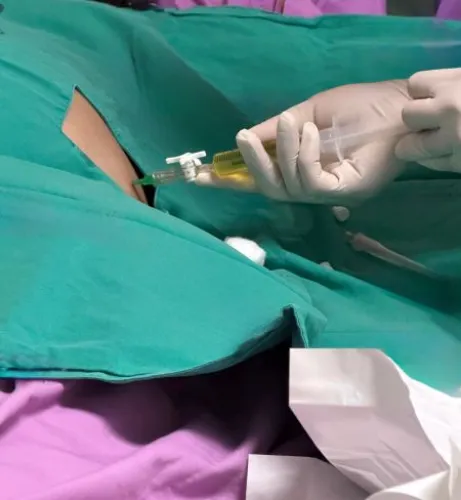
Pinnacle Enterprise Risk Consulting Services