Know When a Brace Supports Separate HCPCS Coding
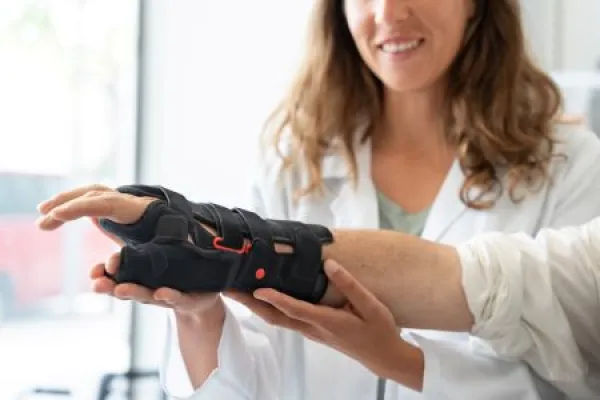
Question: Our orthopedic practice dispensed a prefabricated wrist-hand orthosis to a patient with carpal tunnel syndrome during an office visit. The provider evaluated the patient, documented the diagnosis and medical necessity for the brace, and our staff fitted the brace before the patient left. Should we report a HCPCS Level II code for the orthosis, or is the brace included in the encounter? Kentucky Subscriber Answer: Although your practice supplied the brace during an encounter, it’s not necessarily bundled into the evaluation and management (E/M) service. You may report the appropriate HCPCS Level II code for the orthosis when the item is separately supplied to the patient and the documentation supports medical necessity, the specific item provided, and any payer requirements for durable medical equipment, prosthetics, orthotics, and supplies (DMEPOS). Select the HCPCS Level II code based on the actual orthosis dispensed, not just the diagnosis or the body part involved. Minor fitting or adjustment performed at the time of dispensing does not necessarily change a prefabricated off-the-shelf orthosis into a custom-fitted device. Review the HCPCS code descriptor and payer requirements to determine whether the orthosis remains an off-the-shelf item or qualifies for a different code. The record should clearly identify the item, laterality when relevant, who supplied and fitted the item, the clinical reason it was needed, and any required order or dispensing documentation. Also check the payer’s coverage policy, modifier requirements, and place of service (POS) rules before billing. Note that if the payer treats the supply as noncovered, bundled, or subject to prior authorization or specific DMEPOS documentation standards, those rules may affect reimbursement even when the HCPCS Level II code is otherwise accurate. Rachel Dorrell, MA, MS, CPC-A, CPPM, Production Editor, AAPC