Know Purpose of Neurostimulator Electrode Arrays Before Coding
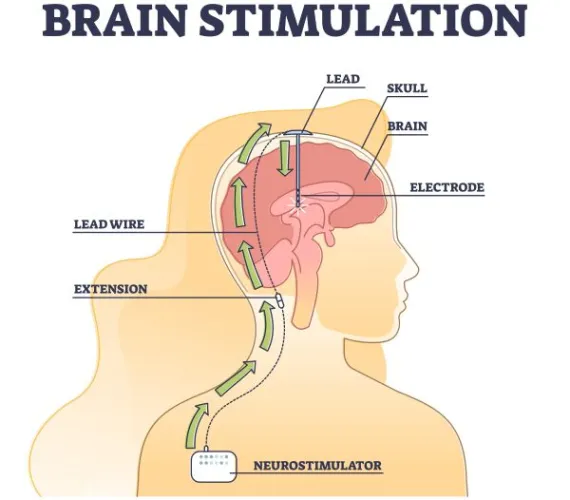
Also, remember to document more conservative Tx attempts. Neurostimulator electrode arrays are used when a clinician needs to deliver electrical stimulation to a specific part of the nervous system. The conditions that require array placement vary depending on where the electrodes are placed in the spinal epidural space, brain, peripheral nerves, or another target. As a coder, you need to be able to spot the conditions that might call for neurostimulator electrode array placement and treatments the surgeon could try before opting for surgery — as well as coding correctly for array placement when the surgeon opts for the procedure. Read on to learn more about coding for neurostimulator electrode array placements and their associated services. Check out These Array Candidates The following are conditions that may warrant a neurostimulator electrode array placement, but is not a comprehensive list: Spot Tx Prior to Neurostimulator Implantation Providers generally document trials of less invasive treatments before proceeding with permanent implantation. The exact requirements vary by payer, diagnosis, and device. Documentation should show what methods were previously attempted, how these methods were attempted for, and whether they helped. There is not a required sequence and not every patient receives every service prior to neurostimulator implantation. However, the physician may try one of the following treatments before deciding to place a neurostimulator electrode array: Check out This Clinical Decision for Implantation For a spinal cord stimulator electrode array, the provider must decide whether the electrical stimulation is likely to improve the patient’s pain and function enough to justify an implanted device. The decision is cumulative based on diagnosis, pain characteristics, prior treatment response, and a temporary trial. Review this clinical example of a patient who is an electrode array placement candidate: Patient: New 42-year-old patient with history of laminectomy and residual chronic pain Chief complaint: Severe burning pain from lower back into my right leg for the past two years. “I cannot walk or sleep normally.” Clinical findings: For this encounter, you would report 99204 (Office or other outpatient visit for the evaluation and management of a new patient, which requires a medically appropriate history and/or examination and moderate level of medical decision making. When using total time on the date of the encounter for code selection, 45 minutes must be met or exceeded.) for the evaluation and management (E/M) service with the following ICD-10-CM codes: M96.1 (Postlaminectomy syndrome, not elsewhere classified), M54.16 (Radiculopathy, lumbar region), and G89.4. Note: Depending on whether the patient has an array placement, you may need to append modifier 57 (Decision for surgery) to 99204. Medicare requires modifier 57 for E/Ms that occur on the same day as surgery, while other payers might vary. Check out This Clinical Neurostimulator Electrode Array Implantation Here are details from an operative note for a patient undergoing a neurostimulator electrode array placement: Patient: 68-year-old male Chief complaint: Advanced Parkinson’s disease with disabling motor fluctuations and medication-induced dyskinesia Clinical findings: Surgery: Neurosurgeon utilizes stereotactic neuronavigational equipment for the head. Using this imaging to identify the target and create burr hole and places a right subthalamic nucleus electrode array. Places a left STN electrode array in the same operative session. For this encounter, you would report: Exception: If the operative report indicates that the encounter also included intraoperative microelectrode recording (MER), you will report 61867 (Twist drill, burr hole, craniotomy, or craniectomy with stereotactic implantation of neurostimulator electrode array in subcortical site (eg, thalamus, globus pallidus, subthalamic nucleus, periventricular, periaqueductal gray), with use of intraoperative microelectrode recording; first array) and +61868 (… each additional array (List separately in addition to primary procedure)) instead of 61863 and +61864. Include Necessary Documentation Coders need to ensure the record establishes the diagnosis and medical necessity for electrode array placement. Preoperative evaluation should demonstrate the decision making that led to surgery, including other evaluations, medication history, functional impairment, imaging, etc. A thorough operative report should clearly identify the procedure performed and the number of arrays implanted. Documentation should specifically identify intraoperative MER to bill the appropriate code, as shown in the examples above. Kalie Bothma CPC, CEDC, CSAF, Contributing Writer