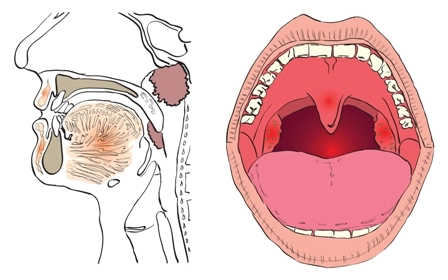
Abide By These Rules When Coding Foreign Bodies

Know when to apply these secondary codes. Foreign bodies (FBs) entering through one of the three ENT-specific pathways is a relatively common occurrence. While these situations are found primarily with children presenting for service, FBs of the ear, nose, and throat don’t necessarily discriminate when it comes to age. However, when it comes to coding, there are a few general rules to follow regardless of circumstance: Example: A 34-year-old woman comes to the ER from eating in a restaurant, reporting that she has a fish bone stuck in her throat. The surgeon performs a flexible laryngoscopy (31575, Laryngoscopy, flexible; diagnostic) and does not see an FB in the larynx and associated structures. The patient is brought to the operating room where the physician performs a rigid esophagoscopy (43191, Esophagoscopy, rigid, transoral; diagnostic …). The physician removes a fish bone from the esophagus. The diagnoses for this encounter are: Take note: An FB passing through the digestive tract is not considered a retained FB. However, a retained FB would involve an object lodged in the ear, nose, or throat. This might include situations involving accidents or post-procedural complications.