Make Your Summer Coding Sparkle
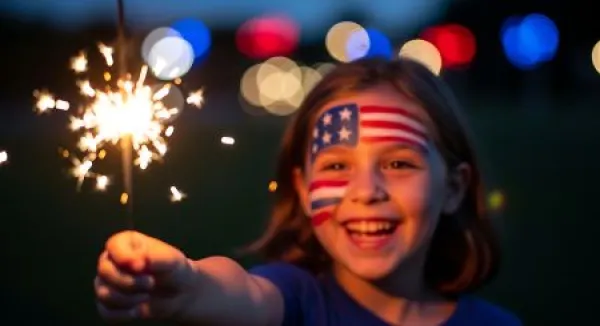
Fireworks, though a Fourth of July tradition, are a major source of summer injuries. Summer brings longer days, outdoor activities, and holiday celebrations — but it also introduces seasonal risks that pediatricians commonly encounter. Increased exposure to heat can lead to dehydration, especially in children who may not recognize or communicate the early signs and symptoms. At the same time, popular summer traditions like Fourth of July fireworks displays contribute to a rise in preventable injuries, including burns that often require medical attention. Read on to make sure your office is ready to tackle these common summer ailments and injuries. Code for Dehydration Dangers During the summer months, pediatric offices will see an uptick in visits for dehydration and nausea due to heat. It is advisable for children to maintain regular water intake throughout the day. Specifically, during periods of active play or in hot weather conditions, they should ideally hydrate every 20 to 30 minutes. Exposure to high temperatures can result in fatigue or heat stroke. The Centers for Disease Control and Prevention (CDC) has found that half of children between the ages of 6 and 19 do not consume sufficient water each day. It’s important to make sure children rest in cool, air-conditioned spaces and drink water regularly. Promoting indoor activities during the hottest parts of the day and advising caregivers to watch for the following symptoms can keep children out of harm’s way: Reminder: In the majority of cases, you should only code signs and symptoms if a final diagnosis is not reached. For example, if the practitioner diagnoses the patient with E86.0, you should not code the signs and symptoms in addition to the diagnosis. Understand When to Code Signs and Symptoms If a clear diagnosis is unavailable, it’s important to document the observed signs and symptoms to justify the medical necessity of any services being provided by the practitioner. Situations where you might need to use signs and symptoms codes include: Prepare Your Office for the Fourth While fireworks are a customary part of most Fourth of July celebrations, they also contribute significantly to injuries seen during the summer months. Almost one in three emergency room visits related to fireworks involve children below the age of 15. Therefore, pediatricians recommend refraining from using consumer-grade fireworks and suggest leaving the task to professionals. Even sparklers, which seem harmless, can reach temperatures up to 2,000 degrees Fahrenheit. Try your hand at coding the following scenario to be sure you’re ready for fireworks injuries your practitioner might encounter: A 7-year-old established patient is brought into Dr. Thompson’s office with a burn on their right hand from a sparkler the night before. The patient’s mother explained the sparkler burned faster than the child expected and scorched their right palm. She took the child home, ran cold water over the burn, applied an over-the counter burn ointment, and put them to bed. This morning, the child was complaining about being in a great deal of pain. After a brief examination, Dr. Thompson notes a partial-thickness burn to the right hand. Dr. Thompson cleans it with sterile saline, applies antibiotic ointment and covers it with a dressing, and recommends using nonsteroidal anti-inflammatory drugs (NSAIDs) at home to reduce pain. The coding on your claim should look like this: 99213 (Office or other outpatient visit for the evaluation and management of an established patient, which requires a medically appropriate history and/or examination and low level of medical decision making. When using total time on the date of the encounter for code selection, 20 minutes must be met or exceeded.) Modifier 25 (Significant, separately identifiable evaluation and management service by the same physician or other qualified health care professional on the same day of the procedure or other service) should be appended to the office visit as you are also billing for the burn treatment 16020 (Dressings and/or debridement of partial-thickness burns, initial or subsequent; small (less than 5% total body surface area) is used for the cleaning, topical treatment, and dressing of the burn T23.251A (Burn of second degree of right palm) the “A” indicates this is the initial encounter for the treatment of the burn W39.XXXA (Discharge of firework) to indicate the sparkler was the cause of the burn. Lindsey Bush, BA, MA, CPC, Production Editor, AAPC