Avoid Miscoding This Gonioscopy Examination
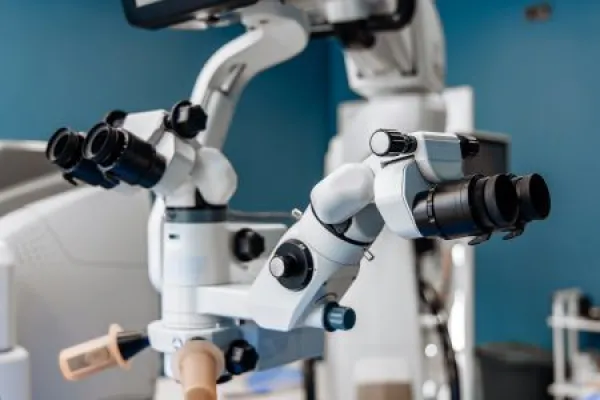
Question: A 6-year-old established patient with primary congenital glaucoma presented to the ophthalmologist for a follow-up appointment related to their glaucoma. The physician used an operating microscope to examine the anterior chambers of the patient’s eyes. The patient has been experiencing progressive photophobia, epiphoria, and suspected increased intraocular pressure (IOP) over the past two months. The patient was unable to cooperate during the examination, so the physician recommended placing the patient under general anesthesia to complete the procedure. What codes should I report? New Hampshire Subscriber Answer: Use 92018 (Ophthalmological examination and evaluation, under general anesthesia, with or without manipulation of globe for passive range of motion or other manipulation to facilitate diagnostic examination; complete) to report the gonioscopy procedure that the physician performed while the patient was anesthetized. Some coders might be tempted to report 92020 (Gonioscopy (separate procedure)) for the procedure, but that code is incorrect. A parenthetical note listed under 92020 instructs you to use 92018 when the provider performs gonioscopy under general anesthesia. Next, you’ll turn to the ICD-10-CM code book. In the Alphabetic Index, search for Glaucoma > congenital. Then, turn to the Tabular List to verify that Q15.0 (Congenital glaucoma) is the correct diagnosis code. This is the patient’s condition and the reason for the encounter. Mike Shaughnessy, BA, CPC, Production Editor, AAPC