Cardiology Coding:
Reporting 93246: What Documentation Is Necessary?
Published on Thu Jan 08, 2026
Question: I’m preparing to submit a claim with 93246, but I want to make sure I have the documentation right. What specific documentation should I include in the medical record to support this service and demonstrate medical necessity before submitting the claim?
New York Subscriber
Answer: To support billing 93246 (External electrocardiographic recording for more than 7 days up to 15 days by continuous rhythm recording and storage; recording (includes connection and initial recording)) and reduce the risk of denials, your provider must document clinical details that justify the need for extended continuous electrocardiogram (ECG) monitoring (greater than seven days up to 15 days). CPT® code 93246 is used specifically for extended ECG recording and connection with continuous rhythm recording and storage during that period.
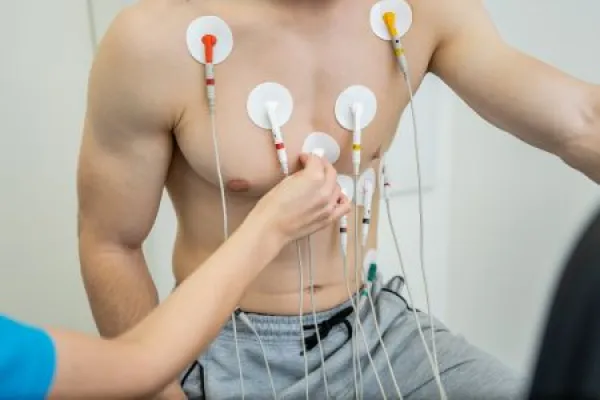
Here are the key documentation elements your physician should include:
- Clinical indication and medical necessity: Your physician needs to clearly document the patient’s signs, symptoms, and relevant cardiac history that justify extended monitoring beyond shorter Holter or event monitoring (such as palpitations, syncope, suspected intermittent arrhythmias not captured on previous testing, or rhythm evaluation after inconclusive results from shorter monitoring). This narrative supports why monitoring needs to exceed seven days.
- Prior diagnostic testing and rationale: The physician should include results and clinical interpretation from prior ECGs, Holter monitors, or other short-term rhythm studies, and explain why they were insufficient. For example: “Patient experienced infrequent palpitations that were not detected on 48-hour Holter; extended monitoring is indicated.”
- Order documentation: A signed physician order specifying the request for extended monitoring and the expected duration (greater than seven days up to 15 days) should be present in the record. The order anchors medical necessity and supports the correct code selection.
- Device connection and recording setup: Your physician should document the date/time the device was connected, the monitoring setup procedures, and any instructions provided to the patient. These details support that the service described by 93246 (recording/initial connection) was actually furnished.
- Progress notes during monitoring: Your physician should include notes about any symptoms or events recorded by the monitor if available, as well as any interim clinical decisions influenced by monitoring findings. This strengthens the reason for electing extended ECG monitoring.
- Final interpretation and follow-up: Although CPT® 93246 itself is the recording component, complete documentation often includes interpretation reports and clinical follow-up, even if they are billed separately under associated codes (e.g., 93248, External electrocardiographic recording for more than 7 days up to 15 days by continuous rhythm recording and storage; review and interpretation).
By ensuring comprehensive documentation of clinical indication, prior test history, physician orders, device setup, and rationale for extended duration, you can substantiate the use of 93246 and improve the likelihood of payer approval.
Always check payer-specific medical necessity criteria and policy guidelines, as coverage rules can vary.
Suzanne Burmeister, BA, MPhil, Medical Writer and Editor

