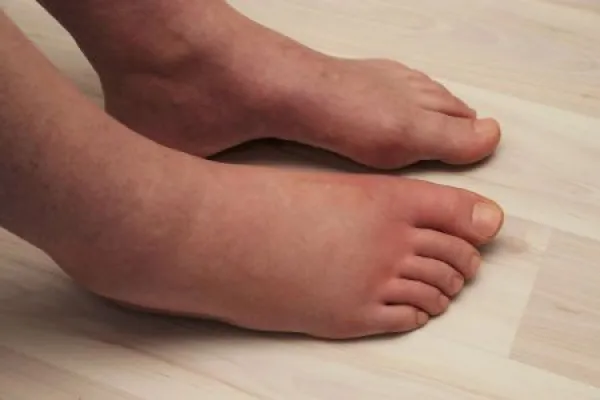
Be Careful Coding a Localized Reaction to a Bee Sting
Question: A patient presents to the physician’s office with an extremely swollen foot after a honeybee sting four days earlier. The provider documents a large localized allergic reaction to honeybee venom, without anaphylaxis, infection, or other systemic symptoms. Which ICD-10-CM code should we report? Minnesota Subscriber Answer: Report T63.441A (Toxic effect of venom of bees, accidental [unintentional], initial encounter) when the physician documents active treatment of a reaction caused by an accidental honeybee sting. Although the patient was stung four days earlier, the 7th character is based on the phase of care — not the number of days since the sting. Use “A” if the physician is actively evaluating or treating the reaction, such as prescribing medication or establishing a treatment plan. Use “D” only for routine care during the healing or recovery phase after active treatment has been completed. Category T63 captures the toxic effect of venom and incorporates the accidental intent in the code. The phrase “allergic reaction” also does not direct the coder away from category T63 when the reaction is due to venom from a bite or sting. Do not assign an anaphylaxis code when the documentation supports only a localized reaction. If the provider diagnoses and treats a manifestation separately — such as edema or cellulitis — you can review the Tabular List instructions and report an additional code, if appropriate. Do not infer cellulitis solely from severe swelling. Regarding stings generally, know that if the record says only “bee” and does not identify the type, you should query the provider before selecting a code because the T63.44- family distinguishes bees from other venomous insects. Rachel Dorrell, MA, MS, CPC-A, CPPM, Production Editor, AAPC