
Keep Calm, Follow the Notes to Code These Nervous System Tests
Knowing what the documentation describes is vital to correct code choice. Patients who need autonomic nerve function testing will need a coder who understands the nuances of these tests. This requires a grasp of how the nervous system functions, the symptoms that would lead the physician to consider an autonomic test, and the correct codes for your provider’s services. Check out this primer on coding for autonomic nerve function tests. Know the Nervous System When understanding the nervous system, it helps to think of it as a large corporation. The central nervous system (CNS), the brain and spinal cord, serves as corporate headquarters, where information is processed and responses are coordinated. The peripheral nervous system (PNS) functions as the organization’s communication network with nerves that carry information between corporate headquarters and the body’s regional branches, including the muscles, skin and internal organs. At the next level of the corporate organizational chart, the PNS divides its workload between two “departments”: the somatic nervous system and the autonomic nervous system (ANS). The somatic department handles sensory information and activities under conscious control. It carries sensory messages to the CNS and delivers instructions to the skeletal muscles for voluntary movements such as typing on a keyboard, walking across a room, or pulling your hand away from a hot stove. The autonomic department manages the body’s essential operations that are necessary for human survival including regulation of heart rate, blood pressure, digestion, sweating, bladder function, and pupil dilation and constriction. Like an administrative department that keeps a corporation running without requiring the chief executive’s attention, the ANS performs most of its work without conscious direction. When the autonomic “department” does not function properly, the resulting dysfunction is broadly referred to as dysautonomia. Autonomic neuropathy is a type of dysautonomia caused specifically by damage to the nerves controlling involuntary body functions. Continuing down the organizational chart, the ANS divides its responsibilities among three specialized departments: Suspected Dysfunction Leads to Autonomic Testing Autonomic testing is used to identify the presence, severity, and distribution of autonomic dysfunction. The decision generally begins with an office/outpatient evaluation and management (E/M) service (99202 [Office or other outpatient visit for the evaluation and management of a new patient, which requires a medically appropriate history and/or examination and straightforward medical decision making. When using total time on the date of the encounter for code selection, 15 minutes must be met or exceeded.] through 99215 [Office or other outpatient visit for the evaluation and management of an established patient, which requires a medically appropriate history and/or examination and high level of medical decision making. When using total time on the date of the encounter for code selection, 40 minutes must be met or exceeded.]). After reviewing the patient’s symptoms, history, medications, and examination findings, the physician may order an electrocardiogram (ECG), laboratory studies, or other tests to exclude common causes. The suspected area of dysfunction then determines whether cardiovagal, vasomotor adrenergic, sudomotor, or combined autonomic testing is appropriate. Stay Informed on Causes and Symptoms of Autonomic Dysfunction Autonomic dysfunction may result from inherited, autoimmune, metabolic, infectious, neurologic, or traumatic conditions. Examples include familial dysautonomia, hereditary or acquired amyloidosis, diabetes mellitus, Guillain-Barre syndrome, Sjogren syndrome, lupus, Parkinson’s disease, HIV, vitamin B12 deficiency, spinal cord injury, and certain brain or spinal tumors. Autonomic disorders also include conditions such as postural orthostatic tachycardia syndrome (POTS), orthostatic hypotension, and vasovagal syncope. Symptoms of autonomic dysfunction vary depending on which organs and autonomic pathways are affected. The patient’s symptoms help the physician determine which type of autonomic function testing may be appropriate. Here’s a look at some possible symptoms that might prompt a function test: Identify Function When Selecting the Correct Code Selecting the appropriate autonomic function testing code begins with identifying the function being measured. Here’s a breakdown of the testing codes you’ll be using: Be Aware of These Potential Coding Issues Correctly coding autonomic function tests requires more than identifying the function measured; coders must also confirm that all required test components, timing, and reporting requirements are documented. Remember that 95921 requires at least two qualifying cardiovagal tests, while 95922 requires both the Valsalva maneuver and at least five minutes of passive tilt. A Medicare Administrative Contractor (MAC) may instruct the provider to append modifier 52 (Reduced services) when one of these required components is not performed; therefore, you should review payer-specific guidance. Also, the code descriptors for 95922 and 95924 require a minimum of five minutes of passive tilt testing. Documentation that does not identify the presence and duration of passive tilt may not support code requirements. Payers may limit the frequency of autonomic testing. Repeat testing generally requires documentation of a change in the patient’s clinical status, disease progression, or response to treatment. Review applicable payer policies before reporting the service. Finally, be sure to review bundling rules. For instance, Novitas A54954 explicitly states that you should not report 95924 with 95921 or 95922 for the same testing session. Dawnelle Sager, CPC, CPMA, CRC, AAPC Approved Instructor,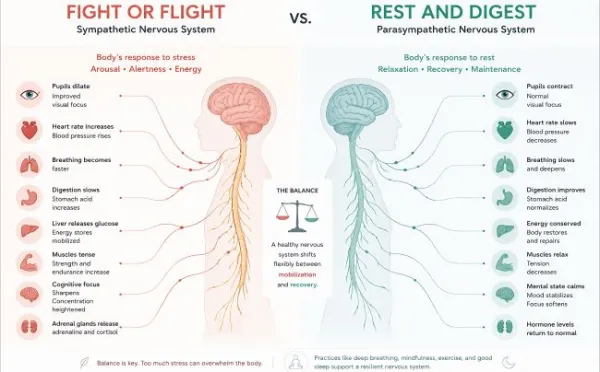
Senior Consultant, Pinnacle Enterprise Risk Consulting Services
