Use This Code for Otospongiosis When Specified
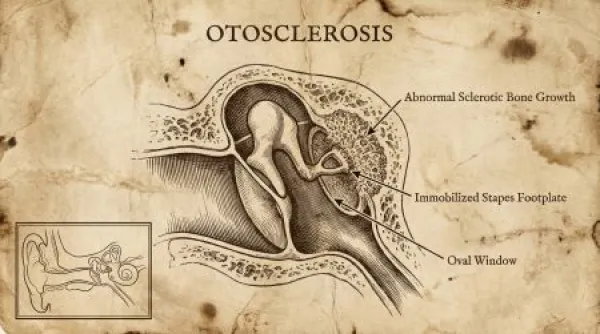
Question: Our otolaryngologist has diagnosed a patient with otospongiosis, but I am having trouble assigning an ICD-10-CM code for the condition. When I look it up in the ICD-10-CM Alphabetic Index, I am directed to see otosclerosis, but when I go to the Tabular List, I only see otospongiosis listed as an inclusion term under the H80.- category code with no more specific, billable code. Is there a code I can use on the claim? Revenue Cycle Insider Subscriber Answer: You are correct in saying there is no specific code for otospongiosis, and that ICD-10-CM only directs you to the category code H80.- (Otosclerosis). Otospongiosis is essentially seen as a precursor to full-blown otosclerosis and describes the process where bone in the inner ear begins to be reabsorbed into the body and replaced with spongy bone. The spongy bone then begins to reharden and become sclerotic, freezing the stapes bone in the middle ear and causing hearing loss. Perhaps because it views otospongiosis as a stage of otosclerosis, ICD-10-CM feels the condition does not merit its own code. However, if the provider has stipulated otospongiosis as the definitive diagnosis in the medical record, you can go ahead and use a code from H80.8.- (Other otosclerosis) to report the condition, adding a 5th character for the right ear (1), left ear (2), both ears (3), or unspecified ear (0). Why “other” and not “unspecified”? Code families that use “unspecified” and “other” can be confusing when you’re trying to pick the most accurate code. For otosclerosis, when the type isn’t specified by the physician and the information in the medical record is insufficient to assign a more specific code, you’ll use H80.9- (Unspecified otosclerosis). But in the case of otospongiosis, you’ll use H80.8-, as the specific type of otosclerosis is identified in the documentation but no other code for it exists. Bruce Pegg, BA, MA, CPC, CFPC, Managing Editor, AAPC